
The Truth About Parchin Kari (Marble inlaid with semi-precious stones): How to Identify Authentic Marble Inlay art
This complete guide is your one-stop resource for identifying authentic Parchin Kari marble inlay. It explores how this centuries-old art—made famous by the Taj Mahal—has gradually fallen into the hands of large-scale mass producers, leaving only a few genuine workshops preserving the craft in its true form. Learn expert tips and practical tests to spot fake Parchin Kari, distinguish handmade pieces from machine-made imitations, identify authentic Makrana marble, and recognize real semi-precious stones versus plastic or synthetic substitutes.
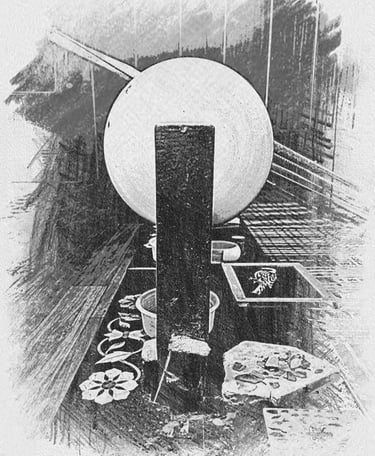
The delicate art of authentic Parchin Kari marble inlay faces increasing challenges from mass-produced replicas flooding the market. Collectors, interior designers, and art enthusiasts need reliable methods to identify genuine marble inlay craftsmanship and protect their investments from mass produced & machine-made imitations.
This comprehensive guide addresses the history, the growing need for Parchin Kari authentication, challenges faced by the art, how to protect yourself from false market practices, etc. The techniques covered here benefit serious collectors building valuable collections, designers sourcing genuine pieces for luxury projects, and anyone passionate about preserving traditional marble inlay art.
The authentication process involves examining visual inspection techniques that reveal the subtle characteristics distinguishing handmade Parchin Kari from factory productions. Physical testing methods provide concrete evidence of authenticity through hands-on evaluation techniques that expose manufacturing shortcuts used in replica production.
Finally, craftsmanship quality analysis demonstrates how genuine marble inlay workshops in Agra, including established galleries like Subhash Emporium, create distinctive markers of authentic traditional Parchin Kari techniques that machines simply cannot replicate.
Understanding these authentication methods ensures confident identification of real marble inlay art while avoiding costly mistakes in an increasingly complex marketplace.


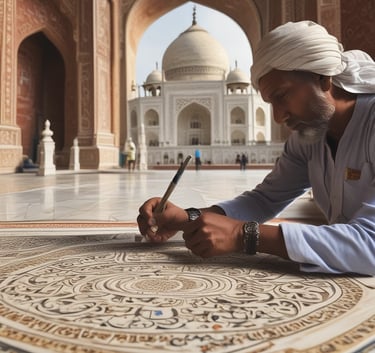
Understanding the Rich History and Cultural Significance of Parchin Kari art.
1.) Traditional Origins and Regional Development
Authentic Parchin Kari traces its roots back to the Mughal era, where this exquisite marble inlay art reached its pinnacle during the 16th and 17th centuries. The craft originated from Persian artistic influences, brought to the Indian subcontinent by master artisans who accompanied Mughal emperors. The technique found its most celebrated expression in the construction of the Taj Mahal, where genuine marble inlay work showcases the extraordinary skill of ancient craftsmen.
Agra emerged as the epicenter of this artistic tradition, developing into a hub where traditional Parchin Kari techniques flourished under royal patronage. The city's proximity to marble sources from Makrana in Rajasthan created ideal conditions for this craft's development. Over centuries, specific neighborhoods in Agra became synonymous with marble inlay artistry, with families dedicating generations to perfecting these techniques.
The regional development of Parchin Kari spread beyond Agra to other parts of North India, including Delhi and Jaipur. Each region developed subtle variations in style and technique, though Agra remained the recognized center of excellence.
2.) Master Craftsmen Legacy and Generational Techniques
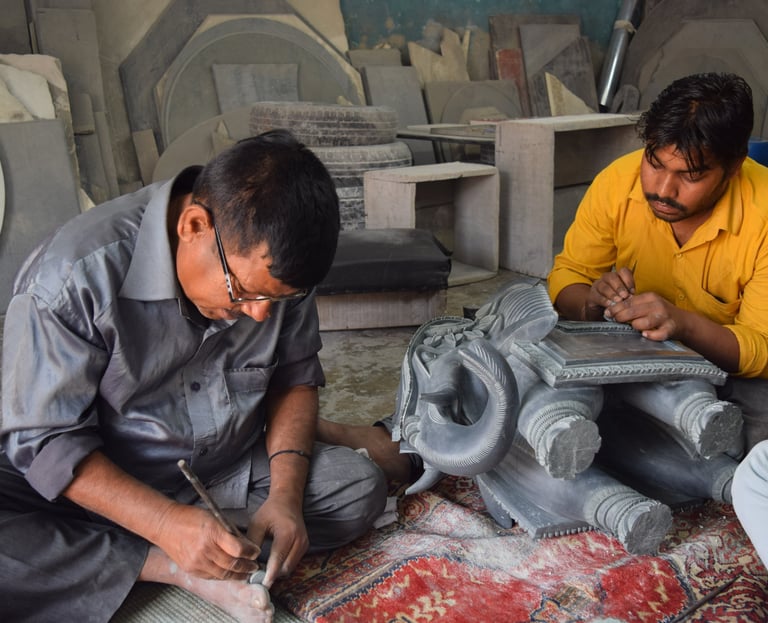
The handmade Parchin Kari identification process requires understanding the generational transfer of knowledge that defines authentic pieces. Master craftsmen, known as "ustads", traditionally passed their skills through family lineages, creating distinct artistic signatures that remain identifiable across centuries. These artisans developed specialized tools and techniques that machine production cannot replicate.
Traditional training in authentic marble inlay creation spans decades, beginning with basic stone cutting and progressing through increasingly complex inlay patterns. Master craftsmen possess intimate knowledge of stone properties, understanding how different materials interact and age together. This expertise enables them to select compatible stones that maintain structural integrity over time.
The legacy workshops, including establishments like Subhash Emporium, represent continuations of these traditional methods. As one of the oldest galleries in Agra for Parchin kari, such establishments maintain connections to master craftsmen whose families have practiced this art for generations and have created some of the most intricate and beautiful motifs in the history of this artform. These workshops serve as authentic sources where genuine marble inlay art in Agra continue operating using time-honored techniques.
Key generational techniques include:
Precision hand-cutting: Creating perfectly fitted stone pieces without modern machinery.
Pattern memorization: Masters memorize complex designs passed down through families.
Stone selection expertise: Identifying optimal stones based on hardness, color consistency, and grain patterns.
3.) Cultural Value in Modern Decorative Arts
Authentic Parchin Kari represents more than decorative artistry; it embodies cultural heritage and spiritual symbolism deeply rooted in Mughal aesthetics. The intricate floral patterns, geometric designs, and calligraphic elements carry meanings that connect viewers to centuries of artistic tradition. Modern appreciation for this art form has elevated authentic pieces to investment-grade collectibles.
Contemporary design increasingly values genuine Parchin Kari authentication as a mark of sophistication and modern awareness. Authentic pieces serve as conversation focal points, bringing historical gravitas to modern spaces. The Parchin Kari investment value has grown significantly as collectors recognize the irreplaceable nature of hand-crafted works.
The cultural significance extends beyond aesthetics to represent resistance against mass production's homogenization of decorative arts. Real marble inlay art stands as a testament to human creativity and skill, offering tactile and visual experiences that mass produced & machine-made alternatives cannot match. Museums and private collectors worldwide seek authenticated pieces, driving demand for properly documented works.
Examining Stone Setting Precision and Alignment
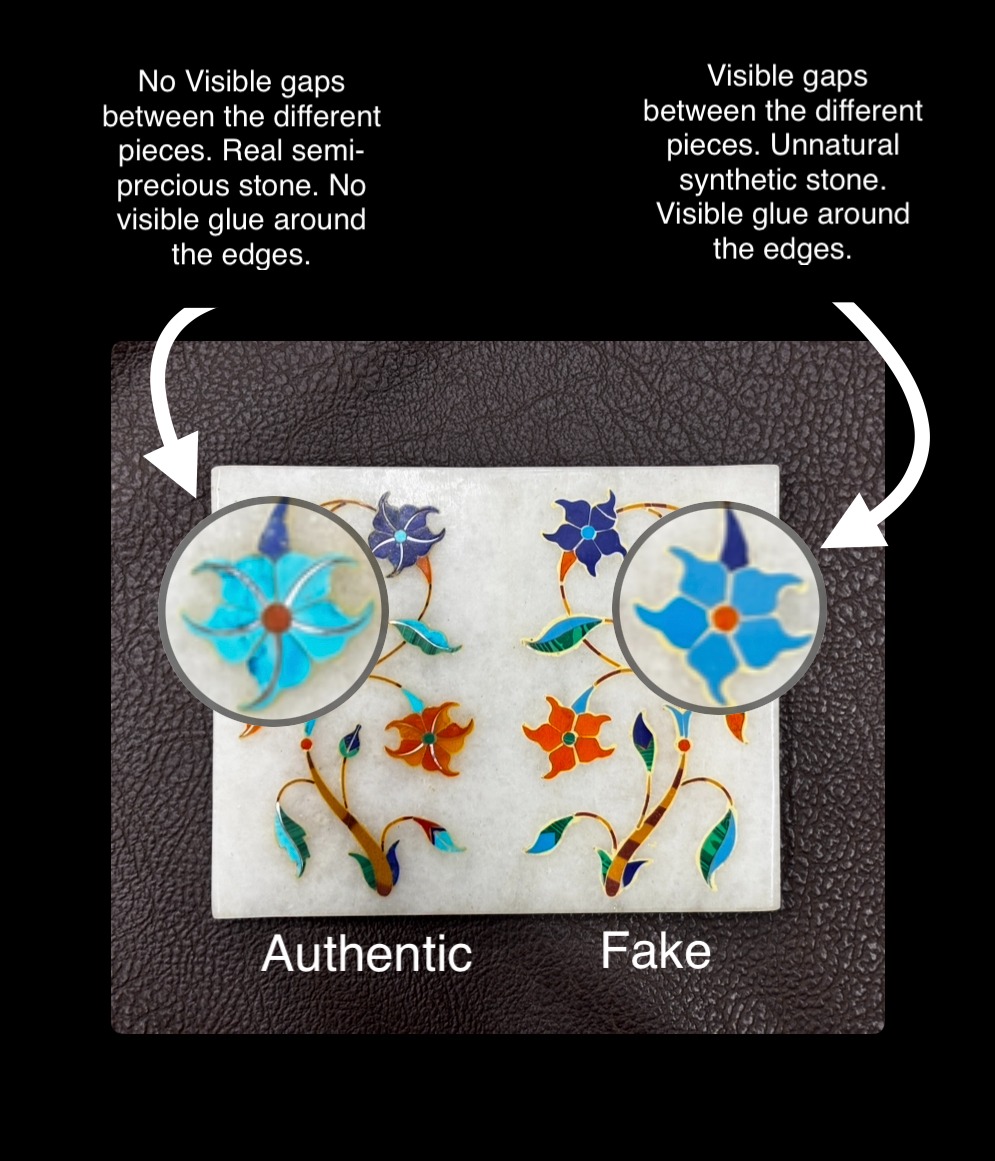
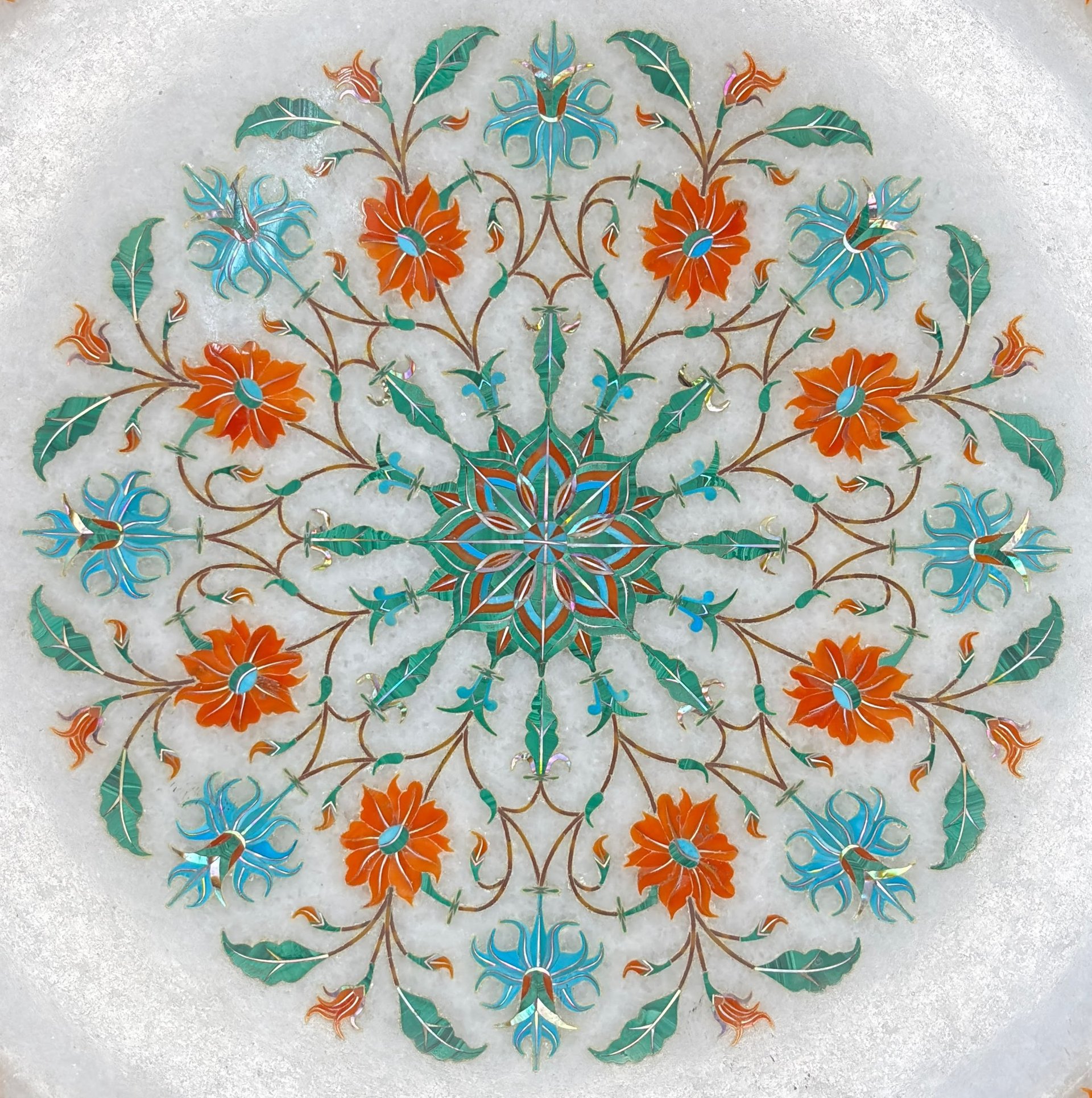
Authentic Parchin Kari reveals itself through the microscopic precision of stone placement. Master craftsmen achieve near-perfect alignment where individual stones fit together like pieces of an intricate puzzle. There shouldn't be any gaps between the inlaid stones in genuine marble inlay work, creating seamless visual flow. Mass produced & machine-made replicas typically show wider, irregular gaps or artificially uniform spacing that lacks the subtle variations of human craftsmanship.
The stone setting in traditional Parchin Kari demonstrates extraordinary attention to geometric patterns. Each stone receives careful positioning to maintain the overall design integrity, with slight adjustments made to accommodate natural variations in stone size. Authentic pieces show stones that align perfectly with the underlying pattern, while mass produced & machine-made versions often display stones that appear forced into predetermined spaces.
Examining the depth consistency of stone setting provides another authentication marker. Hand-set stones in authentic Parchin Kari maintain uniform depth levels, with each piece sitting flush with the marble surface. The setting adhesive remains invisible in genuine pieces, whereas mass produced & machine-made replicas may show excess adhesive or uneven depths where automated processes failed to account for natural stone variations.
Essential Visual Inspection Techniques to Authenticate Semi-Precious Stones in Parchin Kari
1.) Identifying Hand-Shaped vs Machine-Cut Stone Edges
Hand-carved stone edges in authentic marble inlay art display characteristic micro-variations that distinguish them from machine-precision cuts. Traditional craftsmen use specialized tools to shape each stone individually, creating subtle irregularities along the edges that contribute to the piece's authentic character. There have only been a few master craftsmen or 'ustads' of the modern generation who achieved a machine level precision with their hands. Amongst them include, late Ustad Mohammed Zafar Hussain & Ustad Mohammed Shameem whose works exhibited in the museum of Subhash Emporium are considered the finest pieces every created in this artform.
Machine-cut stones exhibit perfectly uniform edges with smooth surfaces. While this precision might appear superior, it lacks the organic quality that defines handmade marble inlay. These edges are achieved because of using machine grinders for shaping the stones.
2.) Recognizing Natural Color Variations in Authentic Stones
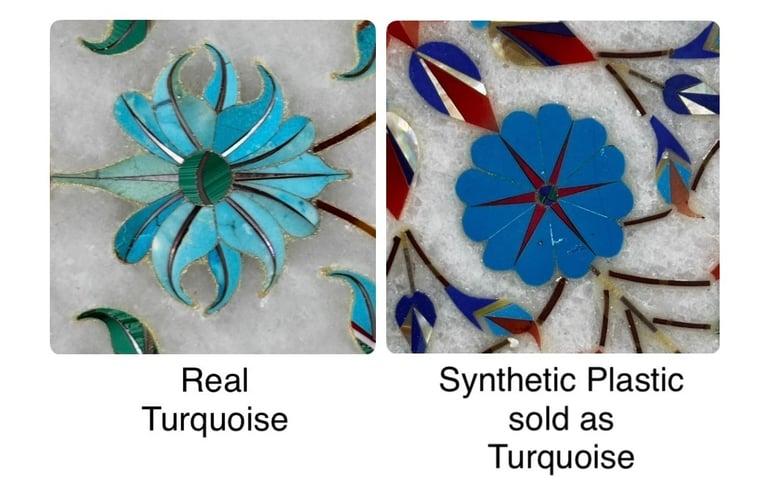
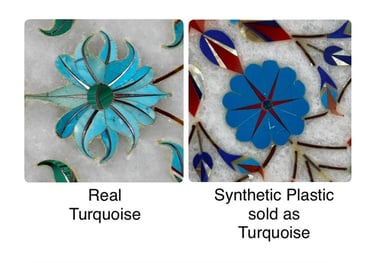
Natural precious and semi-precious stones used in genuine Parchin Kari exhibit subtle color gradations and mineral inclusions that mass produced & machine-made replicas cannot replicate convincingly. Authentic pieces incorporate stones with natural color variations within individual pieces, creating depth and visual interest. These variations appear random and organic, following the natural formation patterns of the source minerals.
Dyed or synthetic stones in mass produced & machine-made replicas display uniform coloration throughout each piece. The colors often appear artificially vibrant and lack the subtle tonal shifts found in natural materials. Authentic Parchin Kari uses stones where color intensity varies slightly across the surface, creating natural highlights and shadows.
A very easy way to identify fake or synthetic stones in marble inlay art is by poking them with a needle. If the stone gets pierced easily or with slightest of pressure, then the stone is fake or synthetic. The needle will always tend to slip on a real hard semi-precious stone indicating its authenticity.
The aging characteristics of natural stones provide additional authentication clues. Genuine stones develop patina over time, with colors becoming more mellow and integrated. Mass produced & machine-made pieces using synthetic materials maintain their original brightness and fail to develop the characteristic aging patterns seen in authentic marble inlay craftsmanship quality.
3.) Spotting Inconsistencies That Indicate Human Craftsmanship
Paradoxically, slight imperfections serve as markers of authenticity in handmade Parchin Kari identification. Master craftsmen working by hand produce variations in line thickness, pattern symmetry, and stone placement that reflect the human element in creation. These inconsistencies, typically measuring less than 1 millimeter by a master craftsmen and 3-5 millimeter by an apprentice artist, add character and confirm hand-crafted origins.
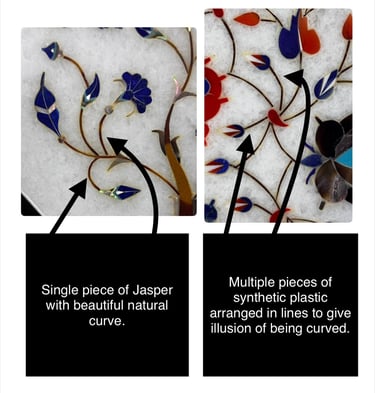
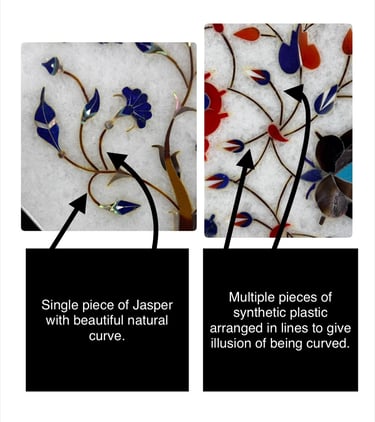
Pattern flow in authentic pieces shows organic transitions where designs adapt to the natural constraints of working with individual stones. Even after being separate pieces of different sizes, an authentic workshop shapes these pieces in a beautifully flowing (natural) curving shapes. Mass produced & machine-made replicas maintain rigid pattern adherence with pieces that are straight rather than being curved without the subtle adjustments that craftsmen make to enhance overall visual harmony. These human decisions create unique characteristics that distinguish each authentic piece. A rose design is the most common motif in poorly crafted or mass produced pieces.
The surface texture of genuine Parchin Kari displays minute variations in polish levels and stone heights. Hand-polishing creates slight undulations that affect light reflection across the surface. Mass produced & machine-made versions typically show perfectly uniform surface levels that lack this dynamic quality, resulting in static light reflection patterns that appear artificial compared to authentic marble inlay art.
1.) Assessing Weight Distribution and Marble Density
Genuine Parchin Kari pieces made from authentic marble display distinct weight characteristics that differ significantly from mass produced & machine-made replicas. Real marble inlay art carries substantial heft due to the natural density of premium Makrana marble, typically ranging from 2.6 to 2.8 grams per cubic centimeter. When handling an authentic piece, the weight feels evenly distributed throughout the structure, reflecting the uniform density of quality stone.
Mass produced & machine-made replicas often use composite materials, synthetic resins, or low-grade marble substitutes like the Italian, Vietnamese or Australian marble that feel noticeably lighter. Other alternatives include cheap soapstone which is used by small souvenir shops. These materials lack the characteristic density of authentic marble inlay, creating an immediate red flag during physical examination. The weight distribution in replicas tends to feel uneven, with certain areas feeling hollow or artificially dense due to filler materials.
Experienced collectors and artisans at established workshops like Subhash Emporium, the oldest gallery in Agra for Parchinkari, emphasize the importance of using authentic Makrana Marble same as used in the Taj Mahal. Authentic pieces from genuine marble inlay workshops in Agra maintain consistent density patterns that reflect centuries of traditional craftsmanship techniques.
To perform this assessment effectively, compare the suspected piece with known authentic samples of similar size. The weight difference between genuine and replica pieces often becomes apparent immediately, providing a reliable initial screening method for authentication.
2.) Checking Surface Texture and Marble Porosity
The surface characteristics of authentic Parchin Kari marble reveal crucial information about the stone's origin and processing methods. Natural Makrana marble is distinguished by its non-porous nature, meaning it does not absorb liquids spilled on its surface, and by its natural translucency, which allows light to pass through due to the presence of tightly packed calcite crystals. Additionally, its exceptional strength, non-yellowing quality, high durability, and extremely fine grain structure make Makrana marble the most suitable and enduring material for marble inlay art, a choice that continues to be upheld by authentic workshops such as Subhash Emporium.
Authentic pieces display a lustrous finish with microscopic variations that reflect light naturally, creating depth and warmth in the appearance.
Mass produced & machine-made replicas typically feature artificially uniform surfaces created through industrial polishing processes. These surfaces feel overly smooth and lack the subtle textural variations found in authentic marble inlay art.
Professional authentication involves examining the surface under magnification to identify natural marble patterns versus artificial textures. Authentic Parchin Kari shows organic irregularities in the marble grain structure, while mass produced & machine-made pieces display repetitive or obviously manufactured patterns. The inlay sections themselves provide additional texture clues. Genuine marble inlay craftsmanship creates seamless transitions between the base marble and inlaid stones, with edges that feel smooth without any gaps or visible glue.
3.) Testing Temperature Conductivity Properties
Marble's natural thermal conductivity properties provide another reliable method for authenticating genuine Parchin Kari. Real Markrana marble feels distinctly cool to the touch initially and gradually warms as it absorbs body heat. This thermal behavior results from marble's crystalline structure and density, creating a characteristic temperature response that distinguishes authentic pieces from replicas. This is why, modern inlaid catalogues include coaster sets which can hold cold and hot utensils over it.
Authentic marble inlay maintains relatively stable temperature characteristics across its surface, with the base marble and inlaid stones displaying similar thermal properties. When placing a hand on genuine Parchin Kari, the coolness feels consistent and natural, reflecting the uniform thermal mass of quality stone materials. Composite materials and Makrana marble substitutes like soapstone used in mass produced & machine-made replicas exhibit different thermal behaviors. These materials often feel warmer initially or display inconsistent temperature patterns across different sections of the piece.
The thermal test works particularly well when comparing suspected pieces with known authentic examples. Place hands simultaneously on both pieces and note differences in initial temperature, warming rate, and overall thermal response. Professional evaluators often use this method in combination with other physical tests to build a comprehensive authentication profile. The thermal properties of authentic marble inlay art remain consistent regardless of ambient temperature, providing a reliable indicator of genuine stone materials versus artificial alternatives.
4.) Coin tests for Makrana Marble
When examining a piece of Parchin Kari marble inlay, a few simple observational tests can help determine whether the base stone is genuine Makrana marble, the same marble historically used in the Taj Mahal. One commonly used method is the coin tap test, where a coin is lightly tapped on the surface of the marble. Authentic Makrana marble typically produces a clear, sharp ringing sound due to its dense crystalline structure, while cheaper marble often gives a dull, flat sound. Another method is the coin scratch test, where the edge of a coin is gently dragged across an inconspicuous area of the surface. Genuine Makrana marble is relatively hard and resistant, meaning the coin usually leaves only a temporary metal mark rather than a scratch.
Physical Testing Methods to Verify Authenticity Of Makrana Marble
Evaluating Inlay Depth and Stone Placement Security
The depth and security of stone placement serve as primary indicators when determining authentic Parchin Kari versus mass produced & machine-made replicas. Genuine handmade marble inlay demonstrates consistent inlay depths ranging from 1.5 to 2 millimeters, achieved through precise hand-chiseling techniques passed down through generations of artisans. Each stone sits flush with the marble surface, creating a seamless integration that machine processes struggle to replicate.
Authentic Parchin Kari exhibits stones that appear permanently locked within their carved recesses. When examining the piece closely, the stones should show no movement or looseness when gentle pressure is applied. Traditional artisans create microscopic undercuts beneath each stone, forming mechanical locks that secure inlays for centuries. Mass produced & machine-made versions often rely solely on adhesives, resulting in stones that may shift slightly or display visible gaps around edges.
The cutting precision around stone boundaries reveals critical authentication details. Handmade marble inlay features clean, crisp edges where stones meet marble, with no visible adhesive residue or irregular spacing. Authentic pieces demonstrate consistent inlay depths across the entire design, while mass produced & machine-made replicas frequently show variations where automated tools struggle to maintain uniform cutting depths.
Examining Border and Pattern Symmetry Standards
Border symmetry in genuine Parchin Kari reflects the master craftsman's skill and attention to detail. Authentic pieces display borders with mathematical precision, where repeating elements maintain consistent spacing and proportions throughout the design. Traditional artisans work from carefully planned drawings, ensuring each element aligns perfectly with the overall composition.
Pattern flow in handmade marble inlay demonstrates organic continuity that machine production cannot match. Authentic Parchin Kari shows subtle variations in line thickness and stone placement that create visual rhythm and movement. These micro-variations actually enhance the overall symmetry rather than detract from it, creating a harmonious balance that feels natural to the eye.
Corner treatments provide another crucial authentication marker. Genuine Parchin Kari features corners where patterns transition smoothly without abrupt interruptions or awkward adjustments. Master artisans plan corner solutions during the design phase, ensuring pattern elements resolve gracefully at intersection points. Mass produced & machine-made pieces often display forced corner solutions where automated processes struggle to adapt patterns naturally.
Identifying Tool Marks and Surface Finishing Techniques
Tool marks on authentic Parchin Kari tell the story of handcrafted creation. Genuine pieces retain subtle evidence of traditional tools including hand chisels, bow drills, and polishing stones. These marks appear as microscopic striations in the marble surface around inlay boundaries, invisible to casual observation but detectable under magnification.
Surface finishing quality distinguishes authentic marble inlay craftsmanship from machine production. Traditional artisans achieve mirror-like polishes through progressive hand-sanding with increasingly fine abrasives, culminating in natural polishing compounds like tin oxide and zinc oxide. This process creates a depth of luster that penetrates the marble structure rather than sitting on the surface like machine-applied finishes.
The transition zones between stones and marble reveal finishing technique signatures. Authentic Parchin Kari demonstrates seamless transitions where hand-polishing has eliminated any height differences or surface irregularities. Machine-finished pieces often show ridges or depressions around stone boundaries where automated polishing cannot adapt to varied material hardness.
Recognizing Artistic Flow and Design Harmony
Artistic flow in genuine Parchin Kari reflects the craftsman's understanding of proportion, balance, and visual movement. Authentic pieces demonstrate design elements that guide the eye naturally through the composition, creating focal points and visual rest areas that feel intuitive and pleasing. This artistic sensibility develops through years of training and cannot be programmed into machine production.
Design harmony emerges from the master artisan's ability to balance competing elements within the composition. Color relationships, pattern scales, and motif placement work together to create unified visual experiences. Authentic Parchin Kari shows evidence of artistic decision-making where slight adjustments to standard patterns enhance overall composition quality.
The relationship between positive and negative space reveals the craftsman's artistic sophistication. Genuine handmade marble inlay demonstrates thoughtful use of plain marble areas that provide visual breathing room and emphasize decorative elements. Mass produced & machine-made versions often lack this spatial sensitivity, resulting in compositions that feel crowded or unbalanced despite technical accuracy in pattern reproduction.
Analyzing Craftsmanship Quality and Workmanship Details
Understanding Price Points for Genuine Parchin Kari
Authentic Parchin Kari commands premium pricing that reflects the extensive skill, time, and precious materials required for its creation. Genuine handmade marble inlay pieces typically range from few hundred dollars for small decorative items to several thousand dollars for elaborate works. Large-scale pieces or those featuring intricate geometric patterns can even reach upwards of few hundred thousand dollars or more, particularly when crafted by master artisans from established workshops.
The pricing structure follows specific patterns that help distinguish authentic pieces from mass produced & machine-made replicas. Genuine Parchin Kari factors in the quality of marble base, precision of inlay work, complexity of design, artist reputation and most importantly the number of stones inlaid. Agra-based workshops, particularly those with generational expertise, maintain consistent pricing standards that reflect true craftsmanship value.
Mass produced & machine-made replicas often carry suspiciously low prices that immediately signal their artificial nature. When a piece priced at a few dollars claims to feature authentic marble inlay craftsmanship quality, buyers should exercise extreme caution. Legitimate artisans cannot produce genuine works at such price points due to material costs and labor intensity alone.
Regional price variations exist, with pieces from renowned centers like Agra commanding higher premiums than those from newer production areas. Established galleries such as Subhash Emporium, recognized as among the oldest and the most authentic marble inlay galleries in Agra, maintain transparent pricing that reflects authentic market values for genuine Parchin Kari.
Obtaining Proper Certificates
Authentic Parchin Kari requires comprehensive documentation that verifies its handmade origin and cultural authenticity. Reputable dealers provide certificates of authenticity that include specific details about the piece's creation, materials used, and artisan credentials. These documents serve as essential proof for insurance purposes and future resale considerations.
Proper certification should include photographs of the piece from multiple angles, detailed descriptions of the marble types and semi-precious stones used, and information about the workshop or individual artisan responsible for its creation. The certificate should also specify the traditional Parchin Kari techniques employed during production.
Digital documentation increasingly supplements physical certificates, with some dealers providing QR codes that link to online verification systems. These modern approaches help combat forgery while maintaining traditional documentation standards.
Buyers should verify certificate authenticity by contacting the issuing organization directly. Legitimate workshops and galleries welcome such verification requests and maintain accessible records for authentication purposes.
Investment Value Assessment and Authenticity Documentation
Recognizing Reputable Dealers and Authentic Sources
Identifying trustworthy dealers requires understanding the marble inlay art on a grassroot level. Authentic sources typically demonstrate deep knowledge about Parchin Kari history, techniques, and regional variations. They can discuss specific aspects of genuine marble inlay workshop operations in Agra and explain the cultural significance behind different design elements.
The best way to identify an authentic workshop to experience Parchin Kari (marble inlay art) is through your own research. Nothing is more effective. Read about workshops on travel blogs, magazines, and online publications. An authentic workshop will always be mentioned in various International travel guide book such as Lonely Planet, Micheline, Fodor's, Frommer's, National Geographic, Petit Fute, Condé Nast Traveller, Stefan Loose etc. for India. Study their history, carefully go through the Google reviews and the most lazy way is by asking different AI models to help you with the authenticity. This effort not only helps you find a truly authentic marble inlay art gallery but also protects you from falling into the common tourist commission trap.
This trap is widely practiced by many shops around Agra whose primary aim is to profit from foreign tourists. It often involves a chain that includes your travel guide, driver, shop owners, and sometimes even the travel company through which you book your package. These parties work together under a fixed commission system paid by the shop owners to keep the business running.
As a result, many tourists unknowingly fall into this trap and end up purchasing overpriced, mass-produced items, believing them to be authentic Parchin Kari. Such pieces usually hold no artistic or long-term value due to the scale and manner in which they are produced.
Always insist that your guide or driver take you to the place you have personally researched, even if they claim it is closed, too expensive, or try to redirect you to a “cheaper alternative.” Staying firm and informed is the key to experiencing genuine craftsmanship and supporting real artisans.
Reputable dealers maintain physical locations where customers can examine pieces directly. The best inlay art galleries often feature workshop areas where visitors can observe artisans creating authentic pieces. This transparency allows buyers to witness traditional Parchin Kari techniques firsthand and understand the labor-intensive nature of genuine production.
Established dealers build relationships with specific artisan families or workshops, creating traceable supply chains that support authenticity claims. Subhash Emporium exemplifies this approach, maintaining connections with traditional craftsmen while serving as a reliable source for authentic Parchin Kari.
Warning signs include dealers who cannot provide detailed information about their pieces' origins, refuse to allow close examination, or pressure buyers into immediate purchases. Authentic dealers encourage careful inspection and provide educational information about the pieces they sell.
Building Knowledge for Long-term Collection Value
Successful Parchin Kari collecting requires developing expertise in multiple areas that affect long-term investment value. Understanding authentic vs replica Parchin Kari differences enables collectors to make informed decisions that preserve and enhance collection worth over time. Market trends show consistent appreciation for genuine handmade Parchin Kari identification becomes increasingly important as machine production capabilities expand. Collectors who can reliably distinguish authentic pieces position themselves advantageously in a market where genuine examples become increasingly rare.
Building relationships with knowledgeable dealers, artisans, and other collectors creates valuable networks for acquiring exceptional pieces and staying informed about market developments. Regular visits to authentic sources, particularly genuine marble inlay workshops in Agra, provide ongoing education about quality standards and emerging trends. Documentation maintenance proves essential for long-term value preservation. Collectors should photograph pieces regularly, maintain all certificates and provenance records, and update insurance valuations periodically based on current market conditions. Educational investment through books, workshops, and direct study with master artisans enhances collection quality while developing the expertise needed to recognize exceptional pieces when they become available.
Conclusion
Identifying authentic Parchin Kari requires a careful combination of visual inspection, physical testing, and understanding the rich cultural heritage behind this traditional craft. The intricate details found in genuine pieces—from the precision of inlay work to the quality of materials used—tell a story that mass produced & machine-made replicas simply cannot replicate. Experienced collectors and artisans know that authentic Parchin Kari reveals itself through subtle imperfections that actually showcase human craftsmanship, while mass-produced versions display telltale signs of mechanical uniformity.
The investment value of authentic Parchin Kari continues to appreciate as appreciation for traditional crafts grows worldwide. Learning to spot the red flags of mass produced & machine-made replicas protects both cultural heritage and financial investment. Whether purchasing for personal collection or investment purposes, proper documentation and verification of authenticity ensures that this magnificent art form receives the respect and preservation it deserves. Take time to develop an eye for quality, seek expert guidance when needed, and always prioritize pieces that come with proper provenance and certification.
Get in touch
To get your Parchin Kari artwork authenticated, write to us with your details and we'll revert back to you soon.